


Designing User-Centric Digital Experiences That Drive Engagement
In the digital world, success is no longer defined only by functionality. The way users interact with a product plays an equally important role in determining its effectiveness. Businesses today must go beyond simply building applications or websites—they need to create experiences that are intuitive, engaging, and aligned with user expectations.
At OpenLogicSolutions, user experience is treated as a core component of every digital solution. By combining thoughtful design with logical structure, it becomes possible to create systems that not only perform well but also feel natural and effortless to use. This balance between design and functionality is what defines truly effective digital products.
Understanding User Behavior
Designing effective user experiences begins with understanding how users think, behave, and interact with digital platforms. Every decision, from layout to navigation, should be guided by user needs rather than assumptions. Without this understanding, even technically strong systems can fail to deliver value.
By analyzing user behavior and identifying pain points, businesses can create interfaces that simplify interactions and reduce friction. This leads to a more seamless experience, allowing users to achieve their goals quickly and efficiently.
Simplicity as a Design Principle
One of the most important aspects of UI/UX design is simplicity. Overly complex interfaces can overwhelm users and reduce engagement. Clean layouts, clear navigation, and minimal distractions help users focus on what truly matters.
Simplicity does not mean lack of functionality—it means presenting features in a structured and accessible way. When users can easily understand and navigate a system, their overall experience improves significantly.
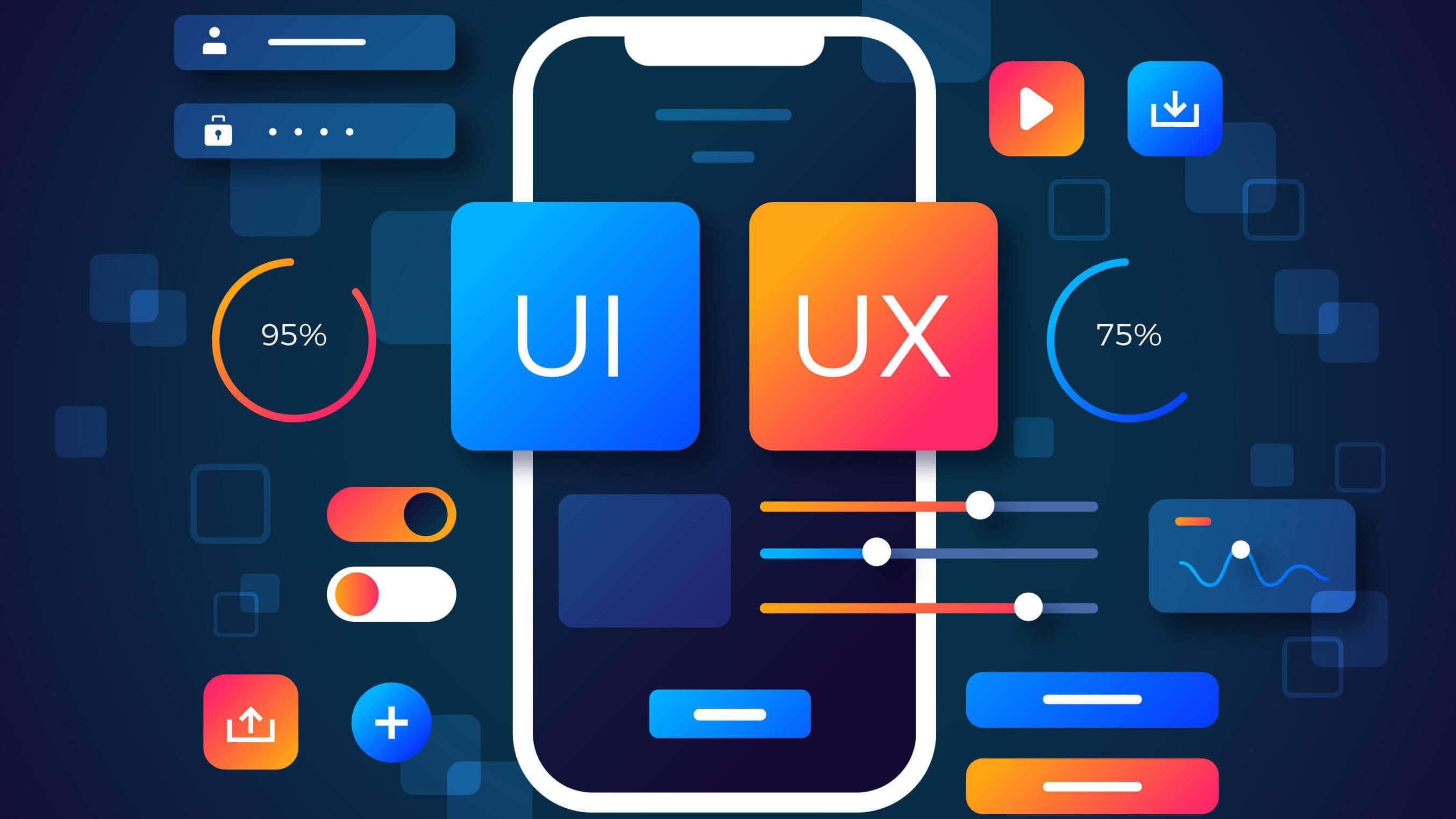
Great design is not just how it looks, but how effortlessly it works for the user.
Consistency and Visual Hierarchy
Consistency in design ensures that users can predict how a system behaves. Repeating patterns, colors, and structures create familiarity, making it easier for users to navigate without confusion. This consistency builds trust and improves usability over time.
Visual hierarchy also plays a key role by guiding users through content in a logical order. Proper use of spacing, typography, and color helps highlight important elements and improves overall readability.
Responsive and Adaptive Design
Modern users access digital platforms across multiple devices, including smartphones, tablets, and desktops. A well-designed system must adapt seamlessly to different screen sizes and environments to maintain usability and performance.
Responsive design ensures that users receive a consistent experience regardless of the device they use. This not only improves accessibility but also enhances user satisfaction and engagement.
Driving Engagement Through Experience
A strong user experience directly impacts how users engage with a product. When interactions are smooth and intuitive, users are more likely to stay longer, explore more features, and return in the future. This creates long-term value for businesses.
By focusing on user-centric design, businesses can build digital products that are not only functional but also meaningful and engaging. This leads to improved retention, stronger brand perception, and better overall results.
Conclusion
Designing user-centric digital experiences is essential in today’s competitive landscape. It requires a deep understanding of user behavior, a commitment to simplicity, and a focus on consistency and adaptability.
OpenLogicSolutions aims to create digital solutions that combine logic with design, ensuring that every product delivers both performance and usability. By prioritizing user experience, businesses can build stronger connections with their audience and achieve long-term success.
Leave a Reply